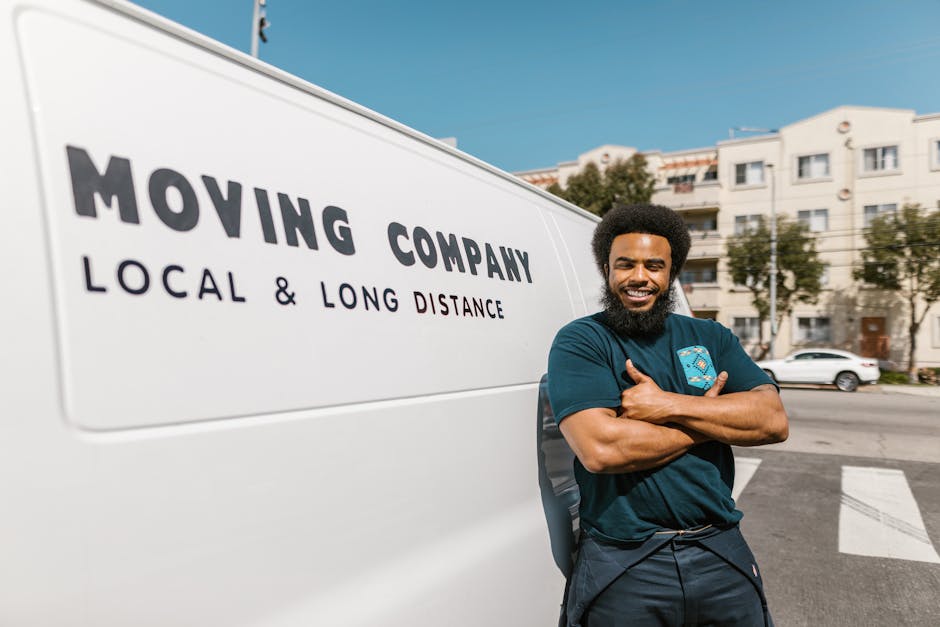
Man with van in Notting Hill for practical home and business moves

Our man with van in Notting Hill service is built for straightforward transport work that needs careful handling, sensible planning and a vehicle suited to local access. We help with moving furniture, carrying household items, shifting boxed goods and collecting or delivering larger pieces that are awkward to move alone. The focus is on dependable removals support with a clear scope, so customers know the service is suitable for their load, timing and access before they request a quotation.
We work across common moving tasks that sit between a full removals contract and a simple courier job. That can include single items, part-load moves, short-notice collections and smaller household moves where a van and a practical loading approach are enough. If you need a man and van arrangement, the aim is to match the vehicle and manpower to the job rather than overcomplicate it. Useful planning starts with the type of items, where they are being collected and how they will be moved at each end.
For many customers, the main value is having one service that can handle lifting, loading, transit and unloading in a single visit. That helps with bulky furniture, boxed contents, trade purchases and relocations that do not require a large lorry. If you are comparing options, our removal services page gives a broader view of the work we can cover, while this homepage keeps the focus on the van-based solution used for lighter and medium-sized moves. Ask for a quotation once you know the kind of items and the access at both addresses.
House moves and small domestic removals
Household moves using a van are often best suited to studio flats, one-bedroom properties, student moves or partial home relocations. In those cases the service needs to be organised, compact and careful, with attention to stairs, lifts, parking and the order in which items are loaded. We can help move furniture, white goods, boxes and mixed household contents when a full-scale removal lorry would be unnecessary. The practical aim is to make the transfer efficient without losing sight of safe lifting and secure transport.
If you are deciding how to structure a smaller home move, it helps to think about what must travel together and what can be moved separately. A van-based move may suit customers who only need part of their home cleared, who are combining storage with a move, or who want furniture delivered from one property to another. For a fuller home relocation option, see home moves and for broader domestic work there is also house removals. Both pages can help you compare the shape of the job before you request pricing.
When preparing for a quotation, it is useful to note the number of rooms involved, whether any items need dismantling, and whether either property has difficult access. A clear description of wardrobes, sofas, beds, tables, appliances and fragile pieces makes it easier to identify the right approach. Good information at the start reduces avoidable delays and helps the vehicle size and loading plan reflect the actual move rather than a rough guess.
Furniture collection, single items and local transport

Not every job is a complete move. Many requests involve a single heavy item, a few pieces of furniture, or a collection from a shop, warehouse, auction, marketplace seller or storage unit. Our furniture transport service is designed for those situations, with attention to wrapping, carrying routes and positioning on the vehicle. A careful furniture pick-up can be the right fit when the priority is safe collection and delivery rather than a large house clearance style operation.
Single-item transport often needs as much thought as a larger move because the item itself may be awkward, valuable or difficult to manoeuvre. Sofas, armchairs, desks, cabinets, mattresses and dining sets all present different challenges, especially where stairs or tight turns are involved. A practical van service should account for item size, weight and fragility, and it should use tie-downs and loading methods that suit the furniture rather than forcing it to fit. That approach helps protect both the item and the property.
Customers often ask whether one vehicle trip can handle several stops. In many cases the answer depends on the amount of loading space needed, the route and the time available, rather than on any fixed template. If the move combines collection with delivery, or if there are several pieces from different addresses, it is sensible to set those details out clearly when you request your quotation. The more precise the plan, the easier it is to judge whether a compact van is the right choice.
Packing, loading and careful handling
Good transport work begins before the van leaves the kerb. Packing, wrapping and stacking are important when household goods, office items or mixed personal effects need to travel without damage. Our approach can include helping with the practical side of loading so that boxes remain stable, corners are protected and heavier pieces sit where they will not shift. For customers who want more support with preparation, packing and unpacking services can be a useful part of the wider moving plan.
Planning also matters when items include glass, mirrors, electronics or anything with delicate surfaces. Those pieces benefit from thoughtful wrapping and placement, especially where the route involves steps, narrow halls or multiple handovers. A careful mover should treat each item according to its shape and vulnerability, rather than using the same method for every load. That is one reason van-based removals can work well for mixed contents: the service can be adapted to suit what is actually being moved.
If you are arranging a quotation, it can help to separate the job into groups such as furniture, boxes, appliances and specialist items. You do not need to write a long inventory for every move, but a sensible list of the larger or more fragile items is valuable. The aim is not paperwork for its own sake; it is to make sure the person providing the quote understands the scale and handling requirements well enough to offer a realistic price.
Office removals and commercial van moves
Van-based moving is not limited to domestic work. Small offices, studios, workshops and retail spaces often need a flexible transport service for desks, chairs, filing, boxed stock, display items or equipment. Our commercial moving support is suited to jobs where access, timing and careful handling matter more than sheer volume. If you need a tailored business move, the commercial moves page is a useful next step for understanding broader options beyond a simple point-to-point transport run.
Office moves usually benefit from a tidy sequence: the items most needed at the destination should be identified first, and anything that must stay separate should be labelled clearly. That makes it easier to load the van in a sensible order and unload without creating confusion at the other end. Smaller office relocations may also involve disassembling and reassembling furniture, which is worth mentioning early because it can affect labour and timing. Office removals is the more specific service page for this type of work.
Businesses often need transport at times that suit trading hours, building access or staff availability. The main practical consideration is usually co-ordination: stairs, parking controls, loading bays and the way equipment is packed. A van with the right handling support can keep that process manageable. Clear instructions about where items are coming from and where they need to go will always improve the quality of the quotation and the reliability of the move itself.
What affects the quotation and how to prepare

A quotation for a man with van job is usually shaped by a few straightforward factors: how much needs moving, how far it is travelling, how easy it is to load, and whether extra handling is needed for bulky or fragile items. A simple collection and delivery may be quick to assess, while a move involving stairs, limited parking or several heavy items may need a more detailed review. For customers who want to compare pricing information before booking, our pricing and quotes page is the best place to begin.
It is helpful to think about the move in practical stages rather than only by item count. For example, a van job might be straightforward on paper but still require more time if there is restricted access at either address, if large furniture must be dismantled, or if items need careful wrapping before loading. If you can share the main points of the job clearly, the quotation can reflect the true work involved rather than a rough estimate based only on volume. That makes the result more useful for both sides.
Useful information normally includes the collection and delivery postcodes, the type of property, whether there are lifts or stairs, and whether any items are especially heavy, awkward or valuable. A short summary is often enough, but accuracy matters. You do not need to over-explain, and you do not need to guess at measurements if you are unsure. Simply describe the load in plain language, and include any access issues that might affect loading or unloading.
Insurance, safety and responsible moving practice
Moving work should be handled with a proper respect for safety, both for the items being carried and for the people doing the lifting. That means using sensible manual handling, planning the loading order, and securing the load so it travels safely. Where a customer wants reassurance about the practical side of the service, our insurance and safety information explains the approach in more detail and sits alongside the operational care taken on van-based moves.
Responsible transport also means knowing when an item needs extra care or when a job should be described more fully before moving forward. Heavy wardrobes, fragile mirrors, awkward appliances and antique pieces are not the kind of items to rush. The right approach is to work steadily, reduce unnecessary lifting and keep the route clear between the property and the vehicle. That method is especially valuable in busy streets or buildings where access is tight and a small mistake can cause avoidable damage.
For customers, the safety conversation can be simple: tell us what is being moved, mention any awkward access, and flag anything that should not be stacked or tilted. That information helps shape a move that is more controlled and less exposed to risk. If a job is better suited to a different type of removals support, it is usually easier to decide that early than after the vehicle has been arranged.
About Notting Hill
Notting Hill is a district in west London, best known for its elegant terraces, cultural mix and streets that combine residential calm with lively public spaces. It sits within the Royal Borough of Kensington and Chelsea, and its character is shaped by long rows of stucco-fronted houses, mews streets and a network of garden squares that give the area a distinctive urban rhythm. The district’s name became widely recognised through the 20th century, but the built environment reflects much earlier phases of development, especially the Victorian and later 19th-century expansion of west London. Portobello Road is one of the best-known thoroughfares, stretching through an area associated with markets, antiques and everyday local trade. The nearby Notting Hill Gate area forms another focal point, linking residential streets with transport connections and a busy commercial edge. The district is also closely associated with the annual Notting Hill Carnival, which transforms streets in the area into a major celebration of Caribbean culture and music. Beyond the famous events and landmarks, much of its appeal lies in its layered streetscape: communal gardens, understated side roads, converted townhouses and squares that retain a strong sense of place. Westbourne Grove and adjacent streets add shops, cafes and services, while the local architecture and street pattern make the district recognisable even in short walks between one block and the next. Notting Hill remains a part of London where housing, retail, history and public culture overlap in a compact and visually distinct setting.
Short-notice moves and flexible collections
Some transport jobs are planned in detail, while others arise quickly after a purchase, a sale or an unexpected change of plans. A van-based service is often useful for those smaller, time-sensitive moves because it can handle a focused load without requiring a large-scale removals operation. That may include items collected from private sellers, furniture bought from a showroom or pieces moved out of storage. If you need a broader comparison of vehicle-based moving options, moving van gives another route into the same sort of practical transport support.
Flexibility matters most when the work has to fit around opening times, building access or handover arrangements. A clear description of where items are, who will release them and what condition they are in can make the collection much smoother. If there are narrow streets, controlled parking or a fixed delivery window, those details should be mentioned with the rest of the job information. That way the plan reflects the actual logistics rather than assuming everything will be simple on arrival.
Short-notice work still benefits from calm organisation. A few minutes spent confirming which items must travel, which should be wrapped, and whether anyone needs to help at either end can make the difference between a smooth job and a difficult one. Practical clarity is usually more useful than a long checklist, especially when the move is small enough to be completed in a single van journey.
Choosing the right removals support

Not every moving job needs the same kind of vehicle or labour, so it helps to match the service to the load. A man with van arrangement is often most suitable when the items are too much for a car but not enough for a full removals team. It is also helpful where there are fewer boxes, a limited number of large items or a mix of furniture and personal belongings. If you are comparing the wider range of available services, removals offers a broader overview of the category.
Choosing the right support is easier when you think about three questions: what is being moved, how far it is going and how easy it will be to access both ends. Those three points are often enough to distinguish between a simple transport job, a domestic move and a more involved relocation. In some cases you may need only the van and loading help; in others, you may prefer a fuller removal service with more planning around disassembly, packaging or multiple stops.
If the job involves a family move, a room move, a furniture collection or a business delivery, the service should be described in plain terms rather than with assumptions. A straightforward summary helps the quotation reflect the actual work, and it also makes it easier to compare the available options. When you are ready, request a quotation and provide the basic job details in one clear message.
Delivery routes, access and loading choices
Different properties and streets create different loading conditions, so the approach has to fit the setting. A move from a basement flat, for instance, raises different handling questions from a collection from a ground-floor shop or a storage unit with direct parking. The same applies to loading in narrower roads, where stopping position and carry distance can affect the time required. removal van is a useful page if you want to consider a van-led moving option in more detail.
Loading choices matter because they protect the items and improve efficiency. Heavy pieces should normally be placed where they are least likely to shift, while lighter boxes and soft furnishings can fill remaining spaces and help stabilise the load. That is not just a transport issue; it is also a way of keeping fragile items safer. For awkward shapes or mixed items, the loading sequence often matters as much as the number of things being moved.
Access details are one of the simplest ways to make a quotation more accurate. A short note about stairs, lift size, parking, concierge access or long carry distances is far more useful than a vague estimate. If you have a move that combines several stops, or if there is a delivery deadline, that should be explained at the same time. The best move plans are usually the ones built from clear practical facts.
Requesting a quotation

When you are ready to price up the job, keep the request focused on the essentials: what is being moved, where it is going and any access details that may affect the work. That is enough for most smaller domestic and commercial transport enquiries. If the move involves a mix of furniture, boxes, appliances or single items, describe the larger pieces first so the scale is obvious from the outset. A clear summary makes the whole process easier and more reliable.
For customers who want to arrange the work directly, the next step is simple: send the key details and ask for a quotation. If you need to check a fuller contact route before doing that, use our contact us page and include the collection point, delivery point and a short list of the items involved. We can then consider the move as a practical van job rather than a guesswork estimate.
Whether the job is a domestic move, a furniture pick-up or a business delivery, the aim is the same: a sensible, careful service that fits the load and the access. If that is what you need in Notting Hill, request a quotation and give us the outline of the work. We will take it from there and keep the next step straightforward.