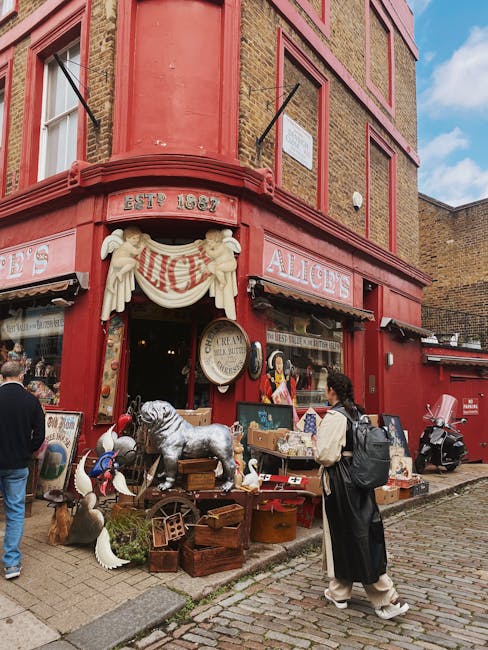
Portobello Shops: Small Business Removals W11
Posted on 28/04/2026
If you run a shop near Portobello Road, you already know the area can be brilliant and demanding in equal measure. Footfall is valuable, but so is timing. Deliveries can be tight, pavements busy, parking limited, and every hour your business is half-packed is an hour not serving customers. That is why Portobello Shops: Small Business Removals W11 needs a practical, local-first approach rather than a one-size-fits-all moving plan.
This guide explains how small business removals work in W11, what to expect, where the common risks are, and how to move stock, fittings, equipment, and shop furniture with as little disruption as possible. Whether you are relocating a boutique, gallery, salon, delicatessen, or independent studio, the aim is the same: protect your assets, keep the move efficient, and reopen with confidence.
For readers comparing broader service options, it may also help to review the company's removal services overview, plus specialist support such as office removals in Notting Hill, furniture removals, and packing and boxes for more fragile or inventory-heavy moves.
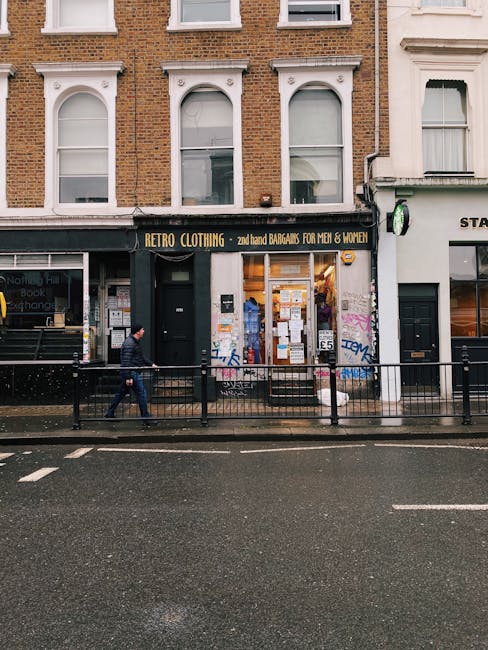
Why Portobello Shops: Small Business Removals W11 Matters
Portobello is not a standard high street. It is a working mix of retail, hospitality, creative businesses, market activity, residential streets, and constant movement. That mix is exactly what makes it attractive, and exactly what makes removals more sensitive. A move that would be straightforward on an industrial estate can become awkward on a narrow W11 street with limited waiting space and customers drifting past the front door.
For small businesses, the stakes are also different from those of a large chain. You are not moving generic stock in bulk; you are likely relocating curated items, display units, point-of-sale equipment, branded signage, office devices, and possibly fragile or high-value goods. If a fixture gets damaged or a day of trading is lost, the knock-on effect is immediate.
This is also why local knowledge matters. A mover familiar with Notting Hill and the Portobello area will think ahead about access, route planning, timing, and how to keep disruption down. That practical awareness often makes more difference than simply sending a larger van. Truth be told, on a busy W11 street, size alone is not a strategy.
For context on the area and the type of business environment you are working within, the local perspective in what locals say about living in Notting Hill and an insider's look at Notting Hill can be surprisingly useful. They help explain why movement, timing, and presentation matter so much here.
How Portobello Shops: Small Business Removals W11 Works
A good small business removal follows a sequence. It starts with assessment, not lifting. A mover should first understand what is being moved, how delicate it is, where it is going, and what restrictions exist at both ends. That can include stairs, narrow doorways, lift access, loading windows, parking limitations, and the need for protected flooring or wall guards.
In practical terms, the process usually looks like this:
- Initial review - The business describes stock, equipment, furniture, access, and timing needs.
- Survey or quote - The mover assesses volume, complexity, and any specialist handling requirements.
- Move plan - The collection order, vehicle size, team size, and schedule are agreed.
- Packing and labelling - Items are boxed, wrapped, tagged, and separated by zone or department.
- Safe loading - Goods are carried, secured, and protected inside the vehicle.
- Delivery and placement - Items are taken to the right area, reassembled if needed, and checked off.
For business relocations, the planning stage is where most of the value sits. A move can be fast and still be badly organised. Better to be methodical than heroic. Nobody needs a midnight rescue mission for a cash drawer, three lamp bases, and a display mirror because the labels were vague.
If you are comparing moving styles, a man with a van in Notting Hill or a man and van service may suit leaner shop moves, while larger relocations may need a more structured team and a dedicated removal van. The right choice depends on what you are moving, not just how far.
Key Benefits and Practical Advantages
When a small business move is handled well, the benefits are immediate and visible. You save time, protect stock, and reduce the amount of disruption customers notice. That matters in a location where first impressions are part of the brand.
- Less trading downtime - Efficient scheduling helps you reopen sooner.
- Lower damage risk - Proper packing and handling reduce breakage and scuffs.
- Better stock control - Clear labels and inventory checks keep items from going missing.
- Smoother customer experience - A tidy, well-managed move looks professional from the outside.
- Less stress for staff - A defined plan removes a lot of last-minute guesswork.
There is also a commercial benefit that people sometimes underestimate: continuity. A well-run move preserves your routine, your customer confidence, and your working rhythm. For a shop, that rhythm is worth protecting.
If you also use storage between premises, short-term holding can be a useful buffer. The local storage option in Notting Hill may help when the new premises are not ready on the exact same day as the old one.
Who This Is For and When It Makes Sense
This service is most useful for independent businesses that need careful, localised moving support in a built-up retail area. It is not just for large relocations. In fact, some of the trickiest moves are modest in size but high in sensitivity.
Typical users include:
- Boutique clothing and accessories shops
- Gift shops and curated homeware stores
- Hair, beauty, and grooming businesses
- Art galleries and framed print retailers
- Small cafes, delicatessens, or specialist food outlets
- Studios or hybrid retail-workspace businesses
It makes sense when you need to move stock, displays, counters, shelving, electronics, or fragile pieces without losing a full trading week. It is also a sensible option if your current lease ends suddenly, you are expanding, or you are reconfiguring your retail footprint to better fit Portobello's customer flow.
For businesses that are scaling or considering a premises change, the local property context can shape the move. If you are thinking about location strategy, these guides on buying a house in Notting Hill and real estate investment tips in Notting Hill offer useful background on the wider area and its commercial appeal.
Step-by-Step Guidance
The most successful shop removals are the ones that are broken down into manageable stages. If you treat it like a single event, you will probably miss something. If you treat it like a project, you can control the risk.
1. Audit what is actually moving
Start with a full room-by-room or zone-by-zone inventory. Separate items into categories: stock, fixtures, equipment, signage, paperwork, cleaning items, and personal effects. If you can, note which items are fragile, heavy, awkward, or high value.
2. Decide what should move, sell, recycle, or store
Not everything needs to make the journey. Old display units, duplicate printers, broken chairs, and out-of-season stock can often be removed from the plan early. This keeps the move cleaner and can reduce costs. A good removal partner should support recycling where possible; the company's recycling and sustainability approach is worth checking if waste reduction matters to you.
3. Set a realistic timeline
Work backwards from your opening date. Allow time for packing, dismantling, moving, cleaning, basic fit-out, and unexpected delays. If the premises are near a busy market day, it may be worth moving outside trading peaks. In a place like Portobello, timing can be the difference between calm and chaos.
4. Prepare the new premises before the van arrives
Make sure the new shop is ready to receive items. Floors should be protected if necessary, key areas should be labelled, and someone should be on site to direct placement. If you are waiting on keys, fit-out work, or final cleaning, build that into the plan early.
5. Pack by function, not by chance
Pack stock by category, shelf, or display area. Keep fast-moving items easy to find. Put clearly labelled essentials in a priority box: charger, keys, clipboard, contact numbers, cleaning cloths, tape, and basic tools. Small comforts matter too. Nobody wants to hunt for the one marker pen when they are already carrying a box of ceramics.
6. Move, check, and reset
At delivery, check items off against the inventory. Place key fixtures first, then stock, then ancillary items. Finally, test equipment and inspect anything fragile before you consider the move complete.
Expert Tips for Better Results
There are a few habits that consistently improve retail removals in tight urban areas like W11. None of them are dramatic. All of them help.
- Use colour-coded labels for stock rooms, display areas, office corners, and storage.
- Photograph layouts before dismantling so you can recreate the shop faster.
- Protect point-of-sale equipment separately from general stock to avoid hold-ups at reopening.
- Keep heavy items low and central inside boxes to reduce breakage and strain.
- Book the move with the street in mind if access is tighter at weekends or during market activity.
- Prepare one person to make decisions on site so the crew is not waiting for direction.
Another practical tip: if you have a mix of retail stock and home-style furniture, consider specialist handling for anything awkward or high value. The same logic applies to custom shelving, mirrors, and delicate counters. A service like furniture removals in Notting Hill can be useful when the move is not just about boxes.
If the move is urgent, ask whether the team can support a tighter turnaround. In some cases, same-day removals are the right fix, though they work best when access and packing are already organised.

Common Mistakes to Avoid
Most retail moving problems are predictable. That is the good news. The bad news is that people keep repeating them.
- Underestimating volume - Small shops often have more inventory than they realise.
- Poor labelling - If boxes are vague, unpacking slows down immediately.
- Leaving packing too late - The final day becomes messy and rushed.
- Ignoring access restrictions - A van may be perfect on paper but awkward in real traffic conditions.
- Mixing stock with waste - This creates confusion and increases handling time.
- Forgetting insurance and liability checks - You need to know what is covered before anything moves.
One common blind spot is signage and branding. A business may move the physical stock well but forget the visible assets: window graphics, branded boards, framed menus, or display materials. Those items are often what customers notice first once you reopen.
Another issue is overconfidence with fragile goods. If your shop carries glass, ceramics, cosmetics, artwork, or electronics, don't assume ordinary packing will do the job. It often does not.
Tools, Resources and Recommendations
You do not need a warehouse worth of kit to run a good shop move, but a few items make life much easier.
- Sturdy double-wall boxes for stock and mixed items
- Bubble wrap, paper wrap, and corner protection for fragile pieces
- Colour labels or large marker pens
- Furniture blankets and protective covers
- Zip bags for screws, fixtures, and hardware
- Floor protection for the old and new premises
- Basic toolkit for dismantling and reassembly
If you want a broader sense of service levels and what is typically available, the company's removal services in Notting Hill page is a good place to compare support. For businesses trying to keep costs practical, the pricing and quotes page can help frame what affects the final price.
Helpful operational resources also include your own stock list, floor plan, supplier contacts, and access instructions. Put them together before moving day. It saves frantic searching later.
Law, Compliance, Standards, or Best Practice
Small business removals do not usually involve complex legal procedure in themselves, but they do sit inside a web of normal UK business responsibilities. That means health and safety, insurance, building access, data protection, and staff welfare all matter.
At a practical level, best practice usually includes:
- Clear communication with the removal team about heavy, sharp, or fragile items
- Safe manual handling for staff and movers
- Protection of customer data if paperwork, terminals, or devices are being transported
- Confirmation of insurance cover and any exclusions
- Respect for building rules, loading restrictions, and neighbour access
If you are transporting equipment or stock with commercial value, it is sensible to understand the mover's safety and insurance arrangements before the day arrives. The service pages on insurance and safety and health and safety policy are worth reviewing for reassurance and clarity.
For businesses handling customer details, tablets, card terminals, or booking records, treat those items carefully. Secure storage and transport procedures are not optional extras; they are part of ordinary professional diligence. And if you ever need to raise concerns, it is useful to know the provider's complaints procedure in advance rather than after a stressful move.
Depending on the job, it may also be sensible to check terms and conditions, payment and security, and the provider's wider business information on the about us page.
Options, Methods, or Comparison Table
Not every small business move needs the same level of service. The right method depends on urgency, volume, and how much you want handled for you.
| Option | Best for | Strengths | Watch-outs |
|---|---|---|---|
| Man and van | Smaller shop moves, quick transfers, lighter stock | Flexible, practical, often cost-conscious | May be less suitable for bulky fixtures or complex jobs |
| Dedicated small team with removal van | Retail units with mixed stock, displays, and furniture | Better handling, clearer coordination, more capacity | Needs more planning and usually a larger budget |
| Pack-and-move service | Fragile inventory, premium goods, tight deadlines | Less stress, better protection, faster unpacking | May cost more than self-packing |
| Move with storage | Gap between premises or staged reopening | Useful when timing does not line up cleanly | Requires extra organisation and labelling discipline |
If your business is very small, a lean solution may be enough. If you are moving display stock plus furniture plus operational equipment, a more structured service is usually worth it. The key is not to overbuy, but equally not to under-prepare.
Case Study or Real-World Example
Consider a small independent shop in the Portobello area that sells curated home accessories and occasional one-off vintage pieces. The owner needs to move from a compact unit into a slightly larger space a few streets away. On paper, it looks easy: short distance, modest quantity, and no overnight transport.
In reality, the move contains several risk points. The stock includes mirrors, lamps, ceramics, and boxed items with different packing needs. The shop fittings are partly reusable, partly not. The new premises are accessible, but only at a tight loading window. There is also pressure to reopen before the weekend footfall peaks.
The best outcome comes from a simple but disciplined plan:
- Items are grouped into sellable stock, display stock, fixtures, and waste.
- Fragile pieces are wrapped individually and labelled by shelf or zone.
- Hardware is bagged and attached to the relevant display unit.
- The team loads priority stock first so the reopening setup can begin quickly.
- The owner checks a written inventory before signing off the move.
That sort of move is not glamorous. It is, however, exactly the kind that rewards planning. The customer sees an orderly shop the day after reopening, not the chaos behind it. And that is the point.
For related local context, you might also find the area-focused material in best hangout spots in Notting Hill and selling property quickly in Notting Hill useful when thinking about how this district functions as a busy, high-visibility place to do business.
Practical Checklist
Use this checklist to keep the move under control. It is simple, but simplicity is exactly what you want on a moving day.
- Inventory completed and split into move, store, sell, recycle
- Access details confirmed for both addresses
- Parking/loading plan checked for the route and timeslot
- Fragile items packed with proper protection
- Boxes labelled by department, shelf, or zone
- Fixtures photographed before dismantling
- Hardware and small parts bagged and secured
- Priority essentials box prepared
- Insurance and terms reviewed
- New premises cleaned and ready for placement
- Staff roles assigned for move day
- Final inventory check arranged for delivery
Expert summary: for Portobello shop moves, the biggest gains come from early planning, tight labelling, realistic access assumptions, and choosing a mover that understands W11 conditions. If those four areas are right, everything else gets easier.
Conclusion
Small business removals in Portobello are about much more than shifting boxes from one address to another. They are about protecting stock, preserving momentum, and keeping your business visible in one of London's most characterful retail areas. The better the planning, the smoother the move. The smoother the move, the faster you get back to trading well.
If you are moving a boutique, studio, gallery, or specialist shop in W11, the smartest approach is to keep the process local, structured, and practical. Think in stages, label everything properly, and choose a service that understands the realities of busy streets, tight access, and valuable inventory. That is how you reduce disruption without cutting corners.
For the next step, compare the service level you need, confirm the access details, and decide whether you need help with packing, furniture, storage, or a fast turnaround. A brief conversation at the start can save a surprisingly long headache later.
Get a free quote today and see how much you can save.